Mrs. Brabbs Reading Class 2020-21

Posts

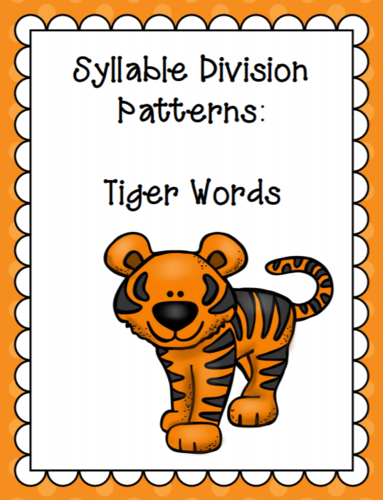
We have been learning the V/CV (Tiger) syllabication pattern.  These two-syllable words have an open syllable with a long vowel followed by another open syllable (solo, navy), a magic e syllable (primate, elope), or a closed syllable (omit, frequent).  We can also add prefixes and/or suffixes to this pattern (untidy, primates, openness, belonging).
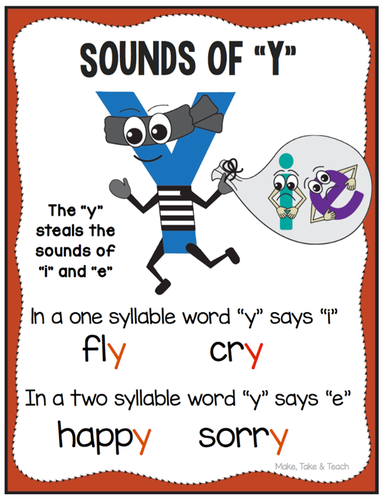
We have been learning how the letter "y" can sometimes be a vowel when it steals the /long i/ sound in a one-syllable word and the /long e/ sound when it is at the end of a two-syllable word or suffix -y.
 
We will be doing a warm reading of "Handy Timmy" on Thursday.  Please continue to read in the blue folder and practice those red words.
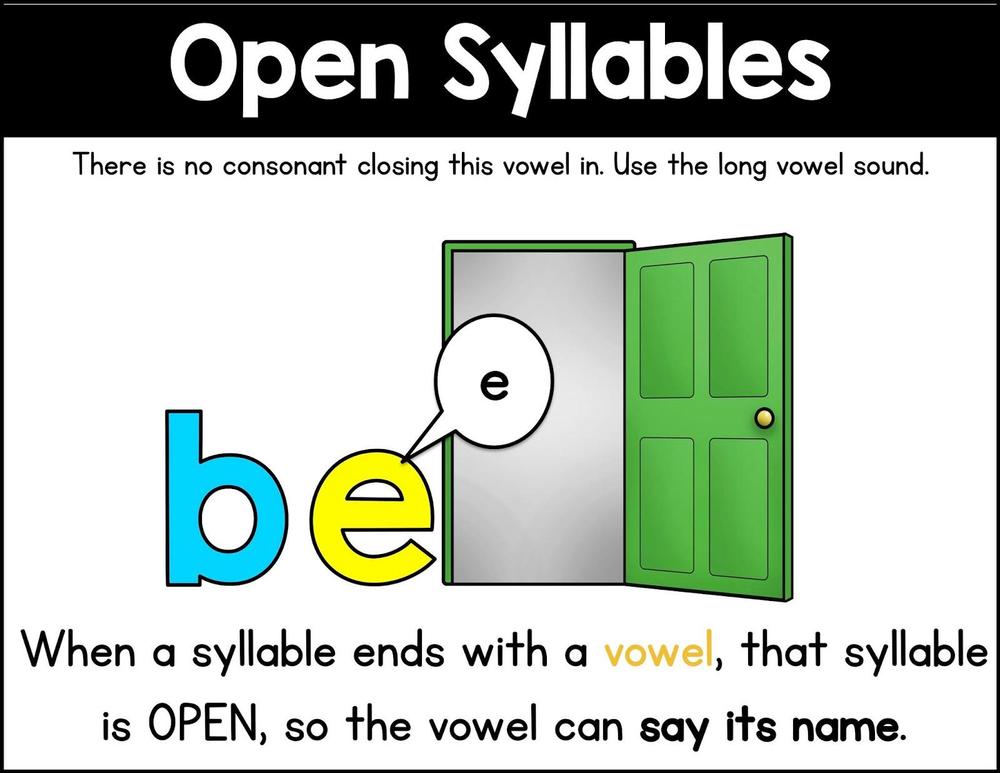
We are celebrating in Reading because we have made it to Level 4 and have started learning our third syllable type: the open syllable! 
 
There is no consonant to close the vowel down in an open syllable and make it short like in a closed syllable. Therefore, the vowel is long in an open syllable, but it also does not have a magic e to make it long, as in the magic e syllable.  
 
Examples of an open syllable include: hi, no, me.  We can also add prefixes to base words to make: prebake, probate, retell and deflate.
 
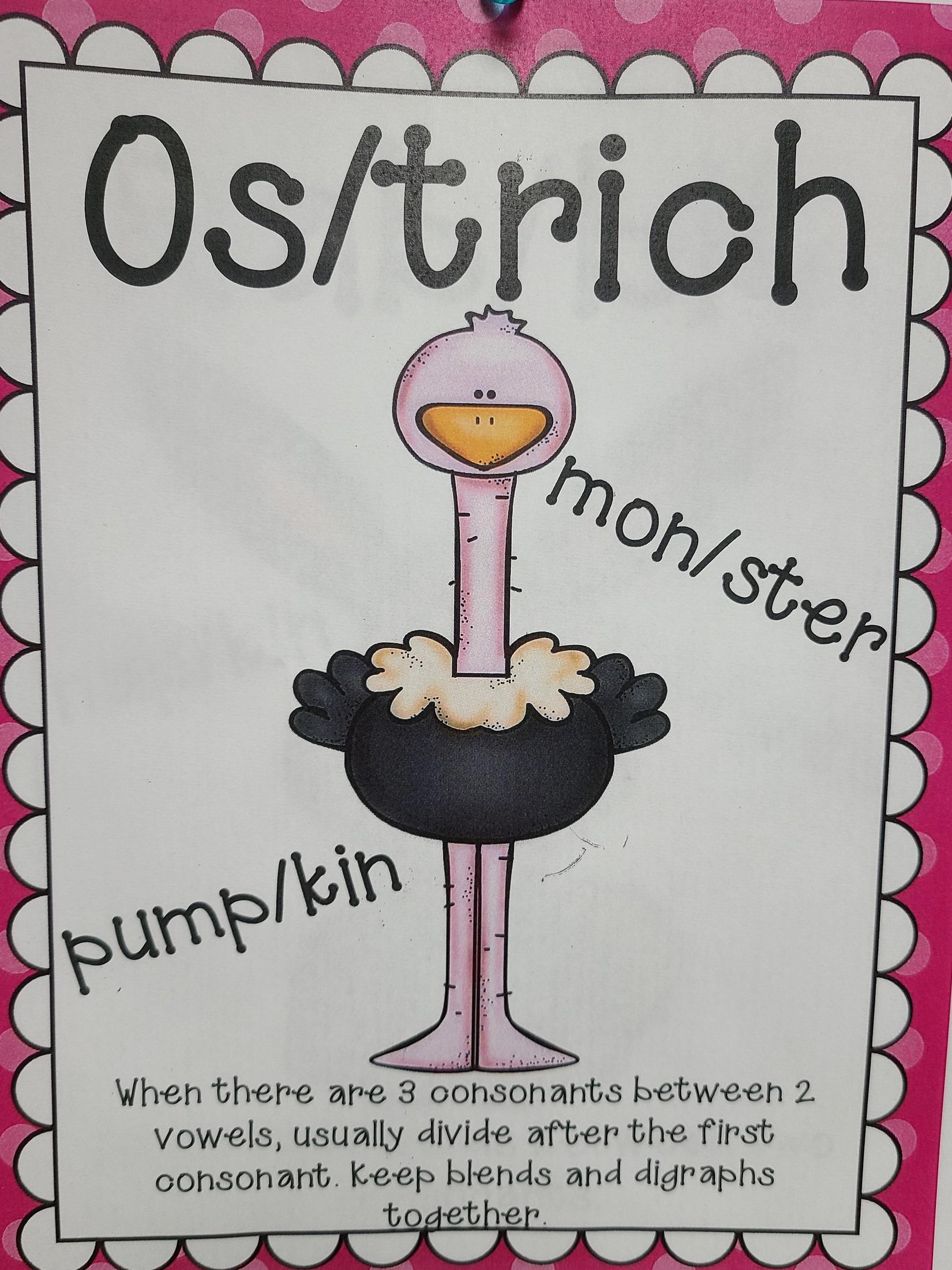
In Reading, we have been busy learning the Vowel, Consonant, Consonant, Consonant, Vowel Pattern (VCCCV).  When dividing this pattern into two syllables, the students have been working on breaking apart the word after the first or second consonant by keeping blends and digraphs together.  
 
Examples include:  
pilgrim= pil/grim
athlete= ath/lete
 
Have a Happy Easter and Spring Break!
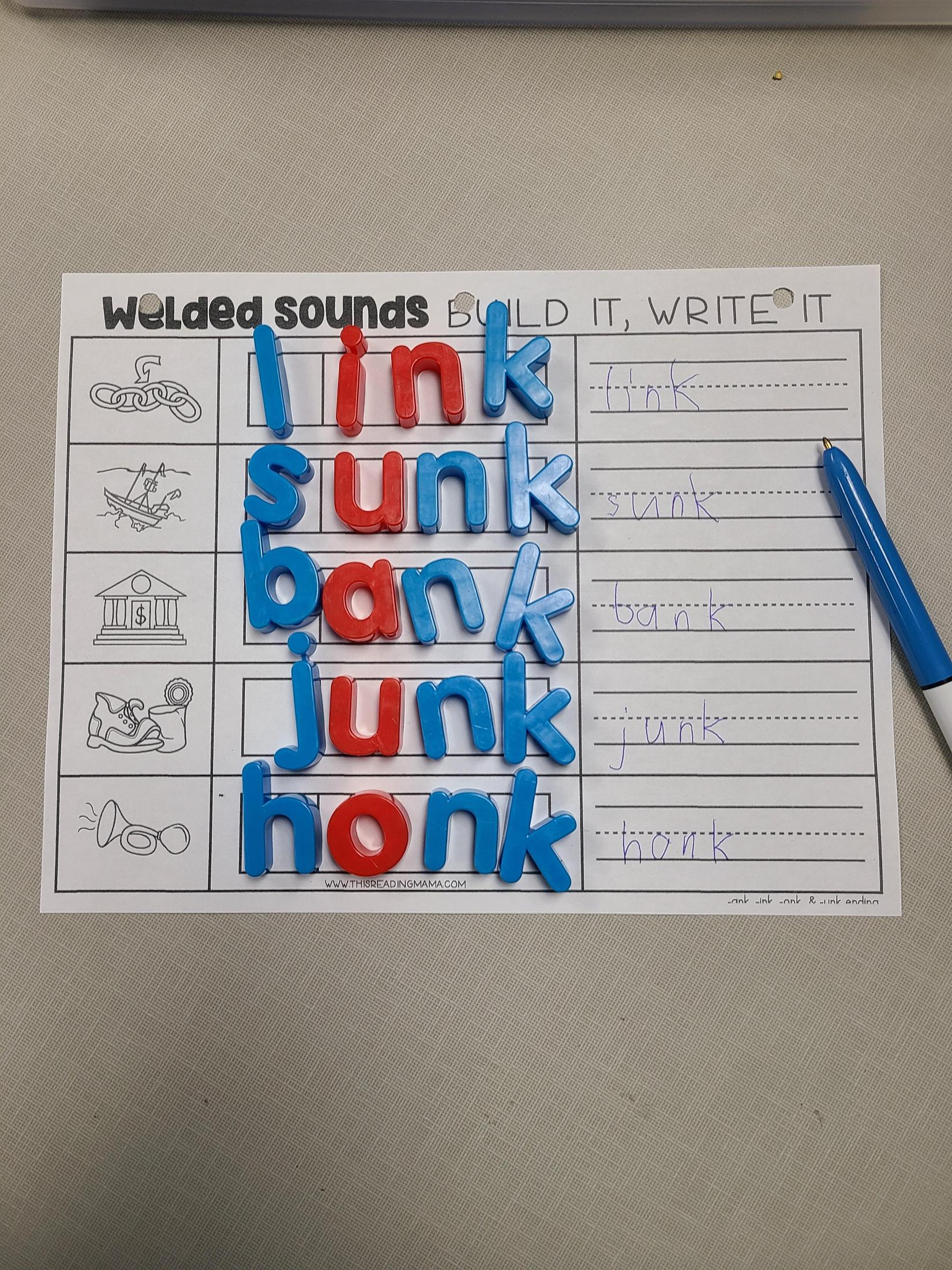
We have been working on the welded sound of <nk>.  These sounds include -ank (bank), -ink (stink), -onk (bonk), and -unk (flunk).  The students have done a great job reading and spelling these welded sound words.  
 
Then, we have added suffixes to this pattern.  Examples include thanked, pinkness, honking, and trunkful.  As always, when spelling words with suffixes, it gets harder, and the students need to remember first to tap and spell the base word and then pound the suffix to spell the word correctly. 
 
Please continue to read from the blue folder and pick out highlighted words to have your student practice spelling the learned skills (include those words with suffixes).  Practice their red words, as well. 
It was so nice to meet with each of you during Parent Conferences.  It is wonderful to see the progress these sweet students have made so far this school year!
 
In class, we continued to work with the welded sounds of -ng and have added suffixes to these words.  Examples include longs, longing, longer, longest, and longed.
 
 
In Reading, we have been working on the welded sound of -ng.  These sounds include -ang (fang), -ing (ring), -ong (song), and -ung (lung).  
 
I am looking forward to meeting with you next week to discuss your child's progress and growth in Reading!  Please look for a story, -ng worksheet, and red words page in their blue folder to be completed on Monday and Tuesday.  
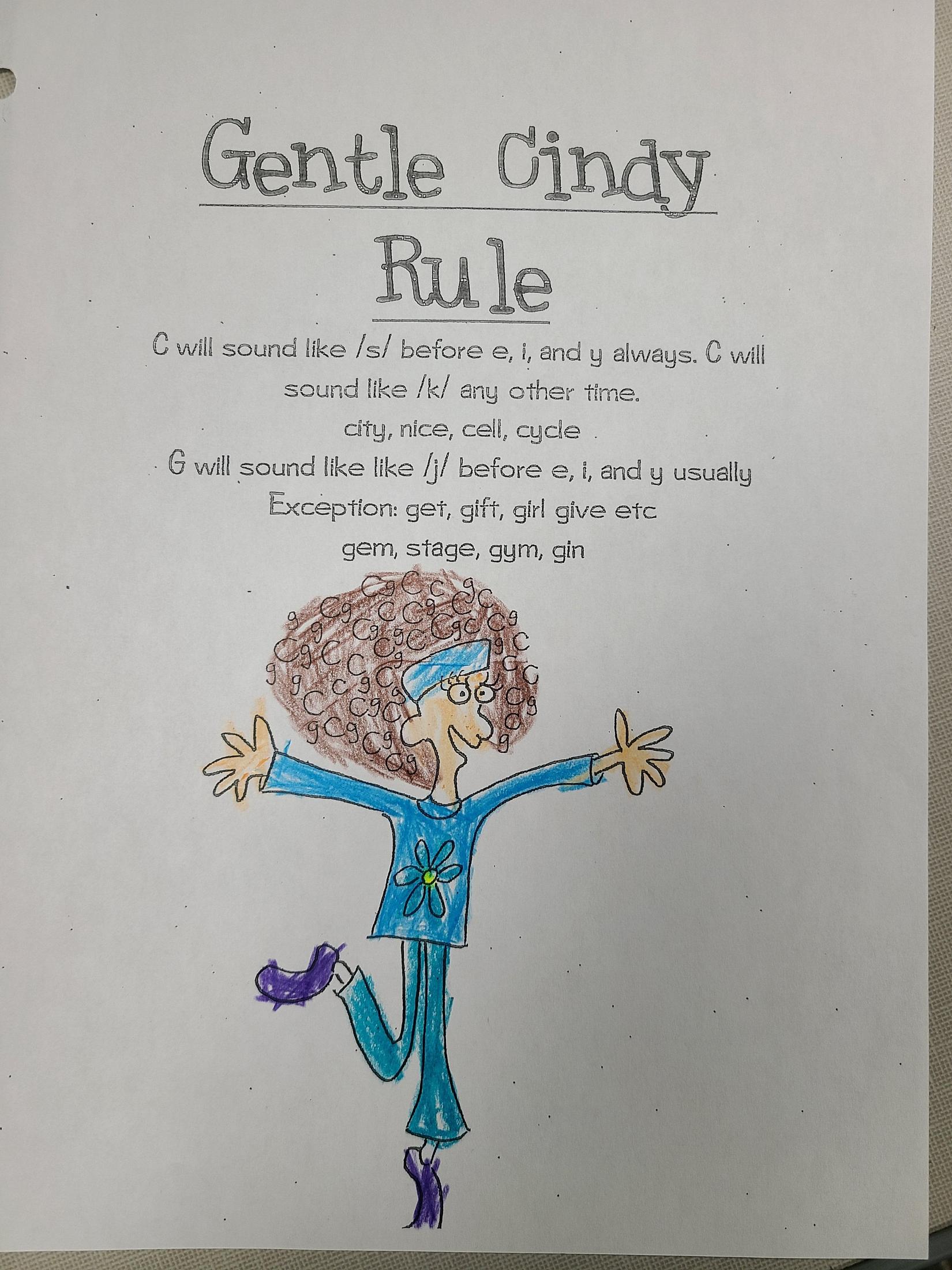
Gentle Cindy has come to life in Reading!  We first studied soft c which makes the /s/ sound when followed by an e, i, or y.  Then, we learned soft g which has the /j/ sound when followed by an e, i, or y.  
 
The students have been working hard to be able to accurately read and spell soft g words with a magic e syllable and long vowel (cage, Gene, luge) or with a closed syllable(s) and short vowel (gem, gist, budget). We also added prefixes and suffixes to the soft g words.  Examples include ageless, uncage, and suggested.   
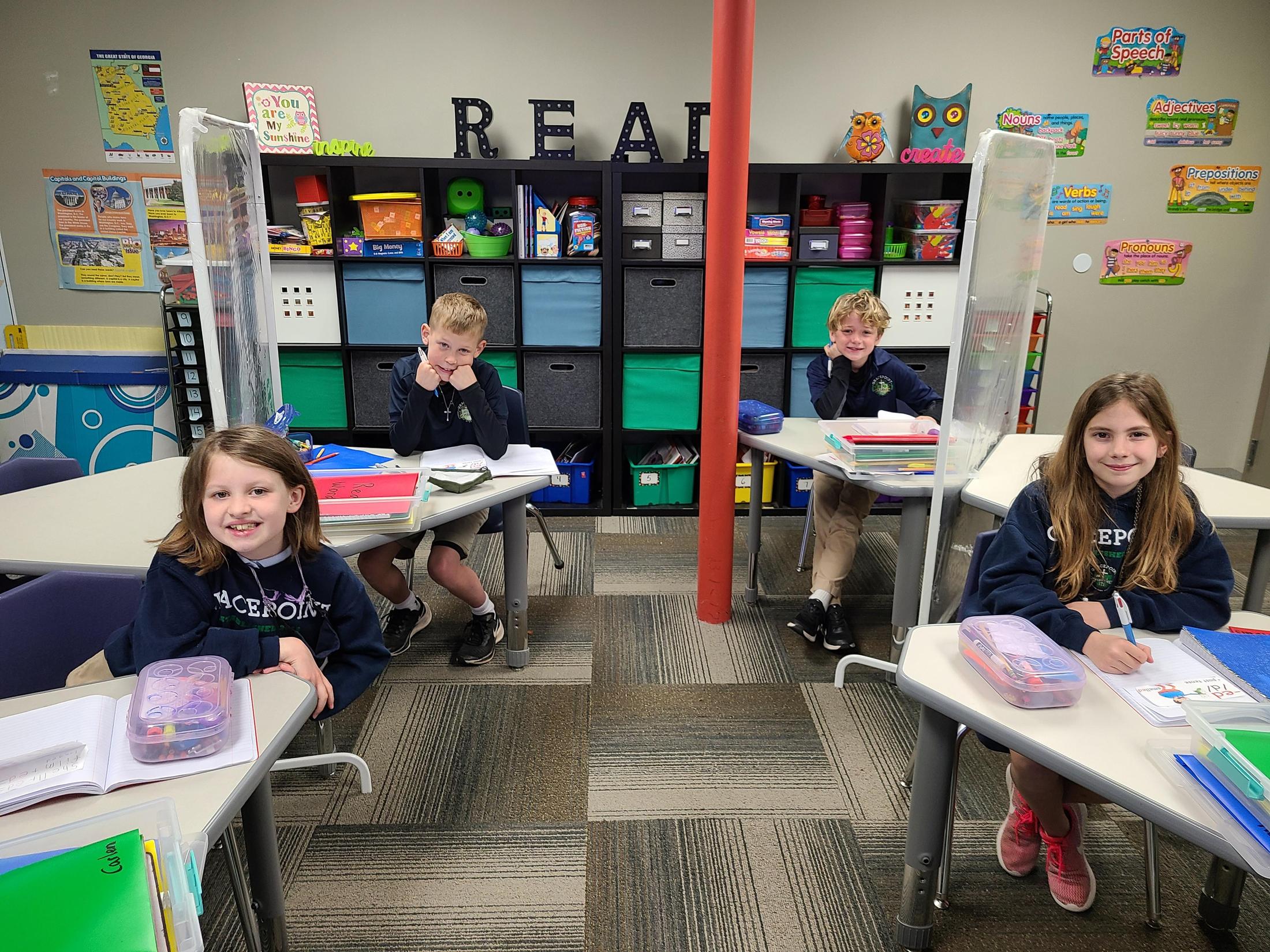
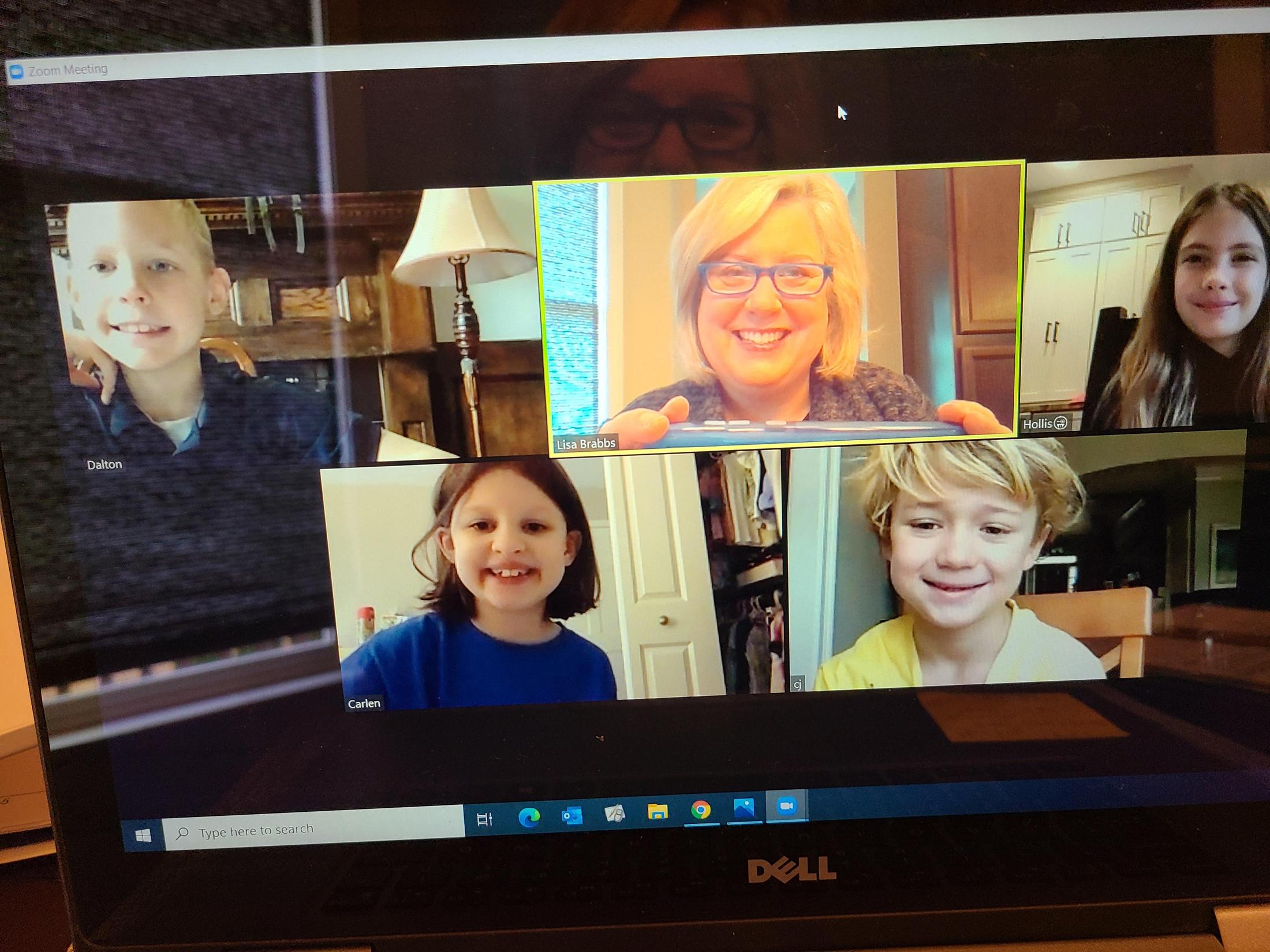
I am glad that Zooming is available, but last week it was wonderful to have all of our group back to F2F learning!
 
In Reading, we have been working on learning about Gentle Cindy and the soft c sound.  C sounds like /s/ when it is followed by an e, i, or y.  Some examples include cent, grace, and cite.  We can also add prefixes and suffixes to these base words to make cents, disgraceful, and excitement for example.  
 
Please continue to read from the blue folder nightly.  You can pick some of the highlighted words to have your child practice spelling the skill.  Please continue to practice their red words, as well.  


Merry Christmas!     

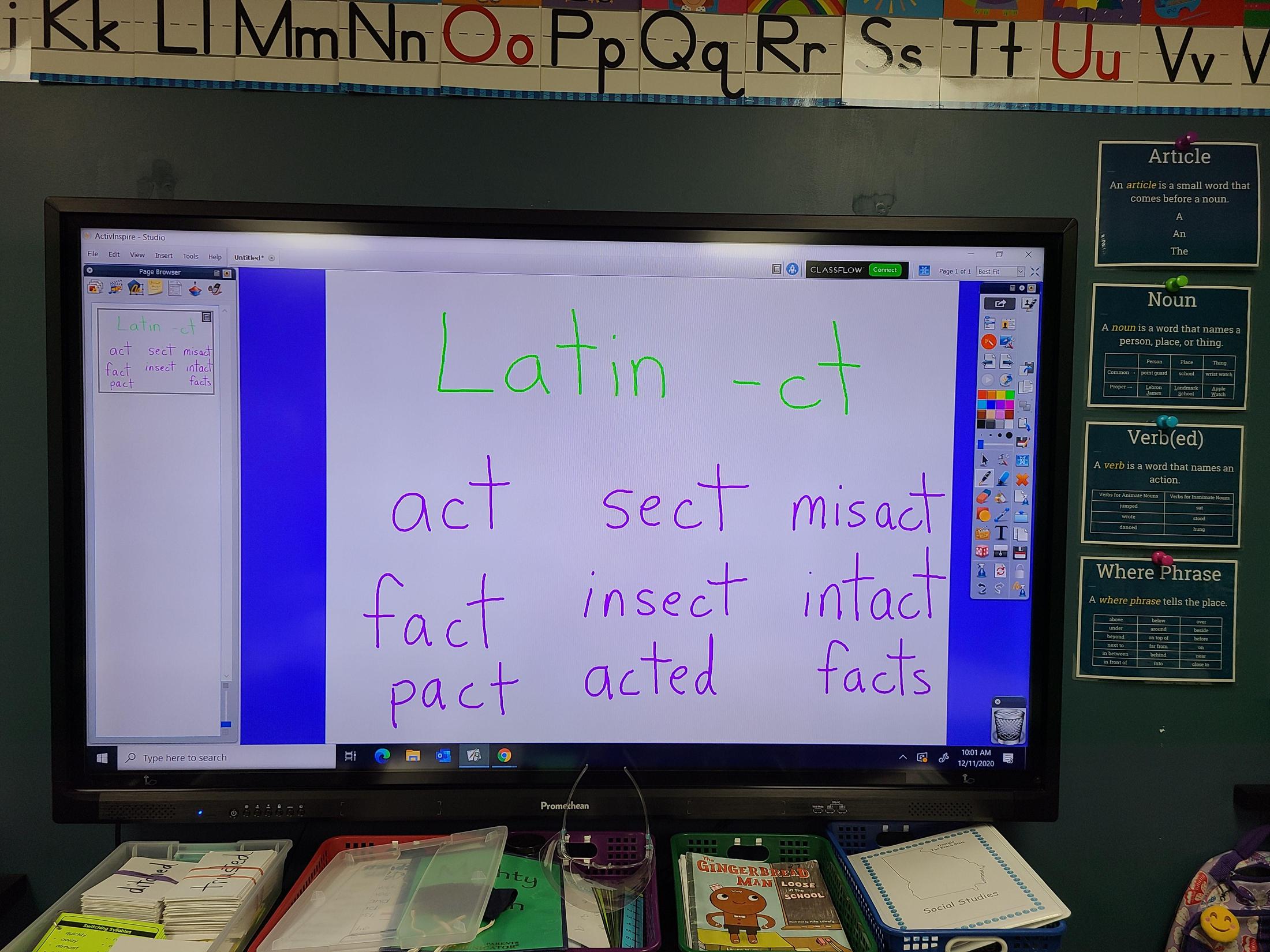
In Reading, we have been busy learning about Latin -ct.  This pattern has a hard c /k/ sound followed by the distinct /t/.  When adding suffixes, it is once again important to know the base to correctly spell the word.  For example, the word "acts" sounds like "ax" when you pronounce it, but they certainly have quite different meanings!   

I hope you have a Merry and Blessed Christmas and I look forward to seeing you in the New Year!  

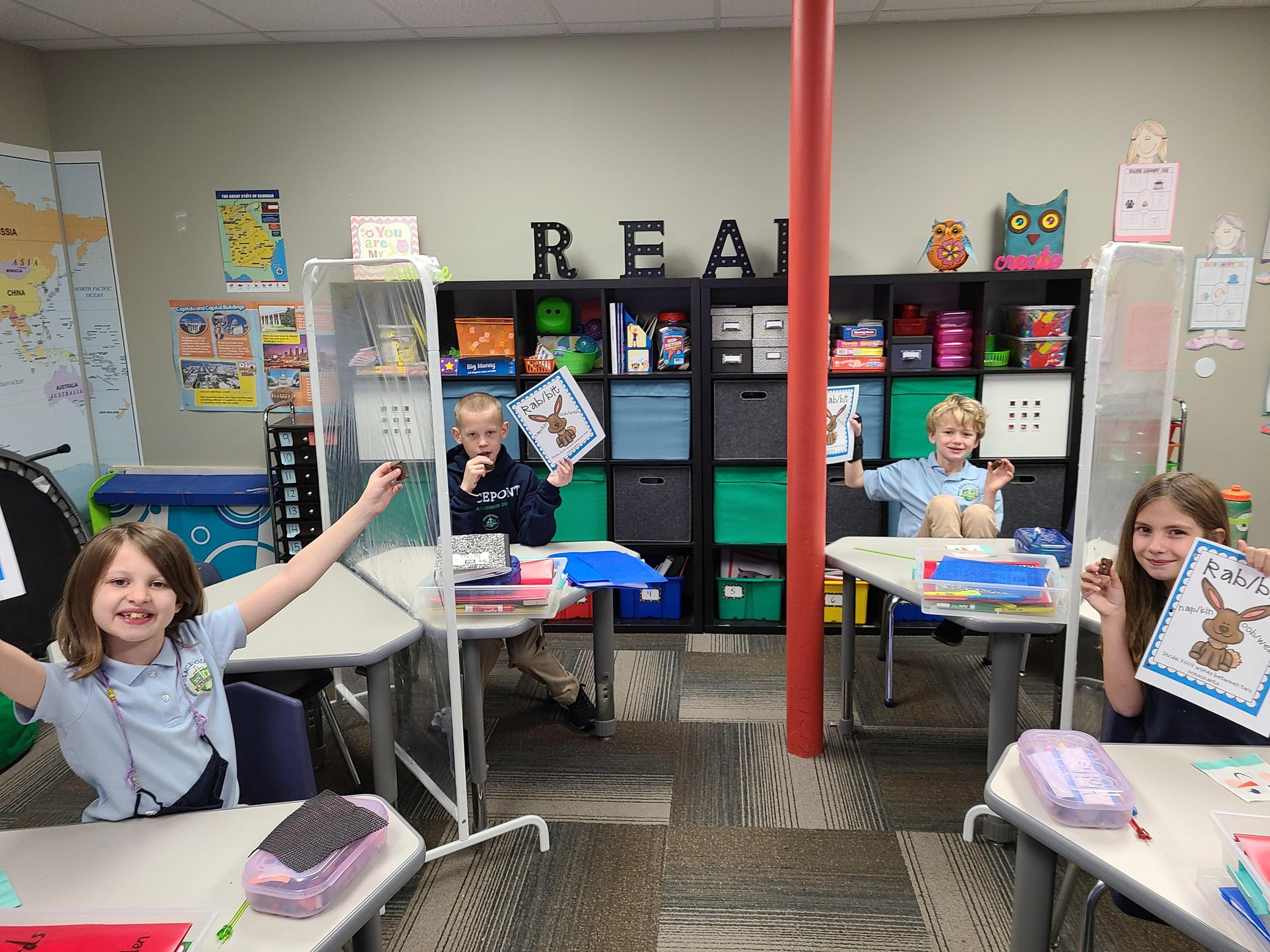
Yesterday was an exciting day in Reading! We moved to the next level in the scope and sequence and celebrated by enjoying a bite of fudge.   
 
The first new rule we will be learning is the VC/CV Rabbit Rule.  These two-syllable words are made up of two closed syllables and you break apart the word between the consonants to decode and spell them.  Examples include muffin, velvet, tennis, nutmeg, and publish.
 
Fudge was a great treat to have because it was a nice reminder that while we have learned -dge is a closed syllable, we also know that it occurs in a one-syllable word.  The students also made the connection that the same would be true for the other closed syllable spelling rules of -ck, -tch, and floss.


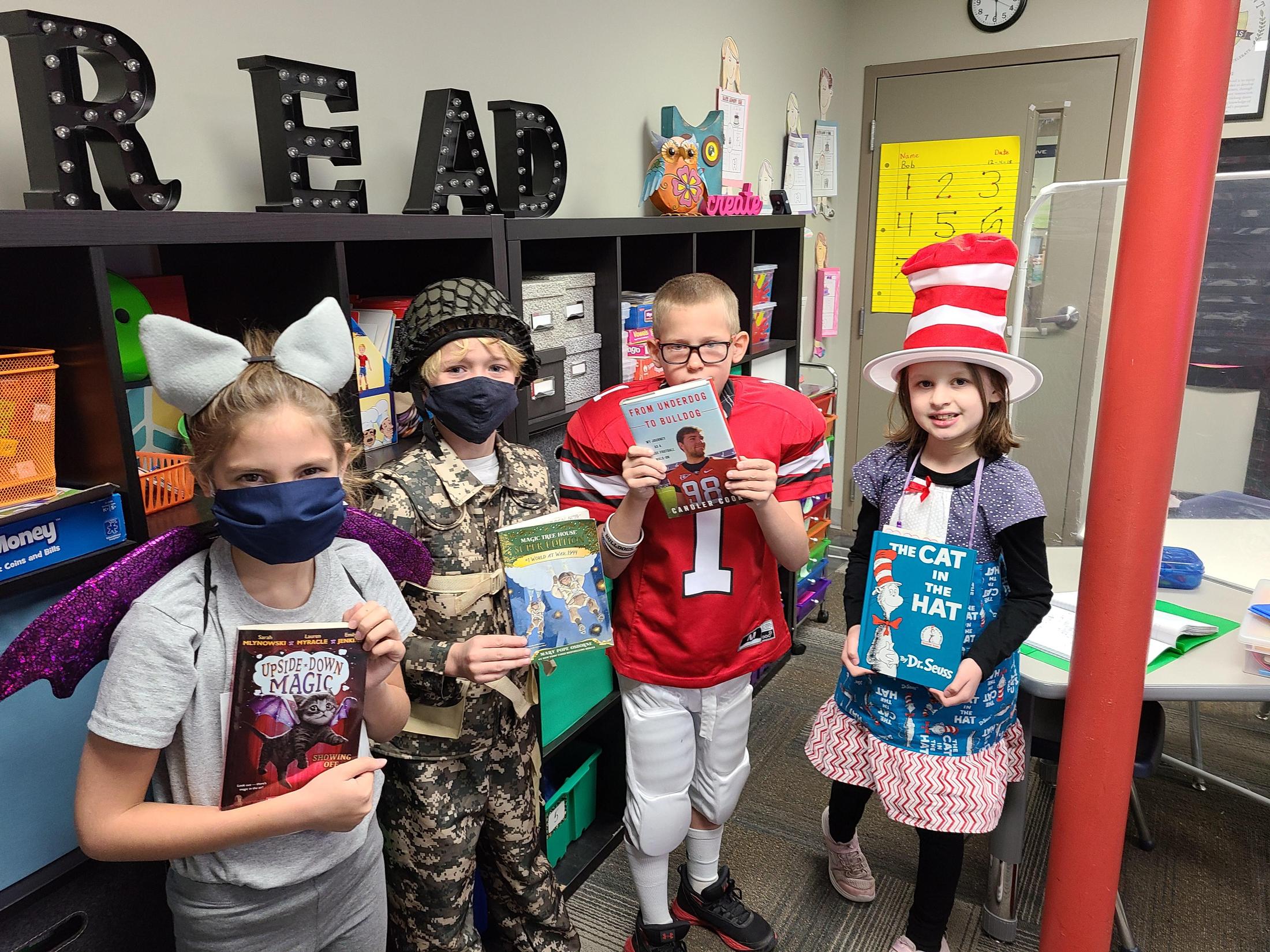
Book Characters in Reading!  It was fun to see the students dressed up for Book Character Day.  Our ultimate goal is to have the students independently reading and I know the day is coming when each of these amazing students will be picking up a chapter book to read on their own!  
 
In class, we are continuing to review closed and magic e syllables.  We want to cement them in our minds before we move on to the next level in the GP Scope and Sequence.    
 
I enjoyed meeting with you at parent conferences and sharing your child's reading progress.  Thank you for all you do to support this growth and progress!
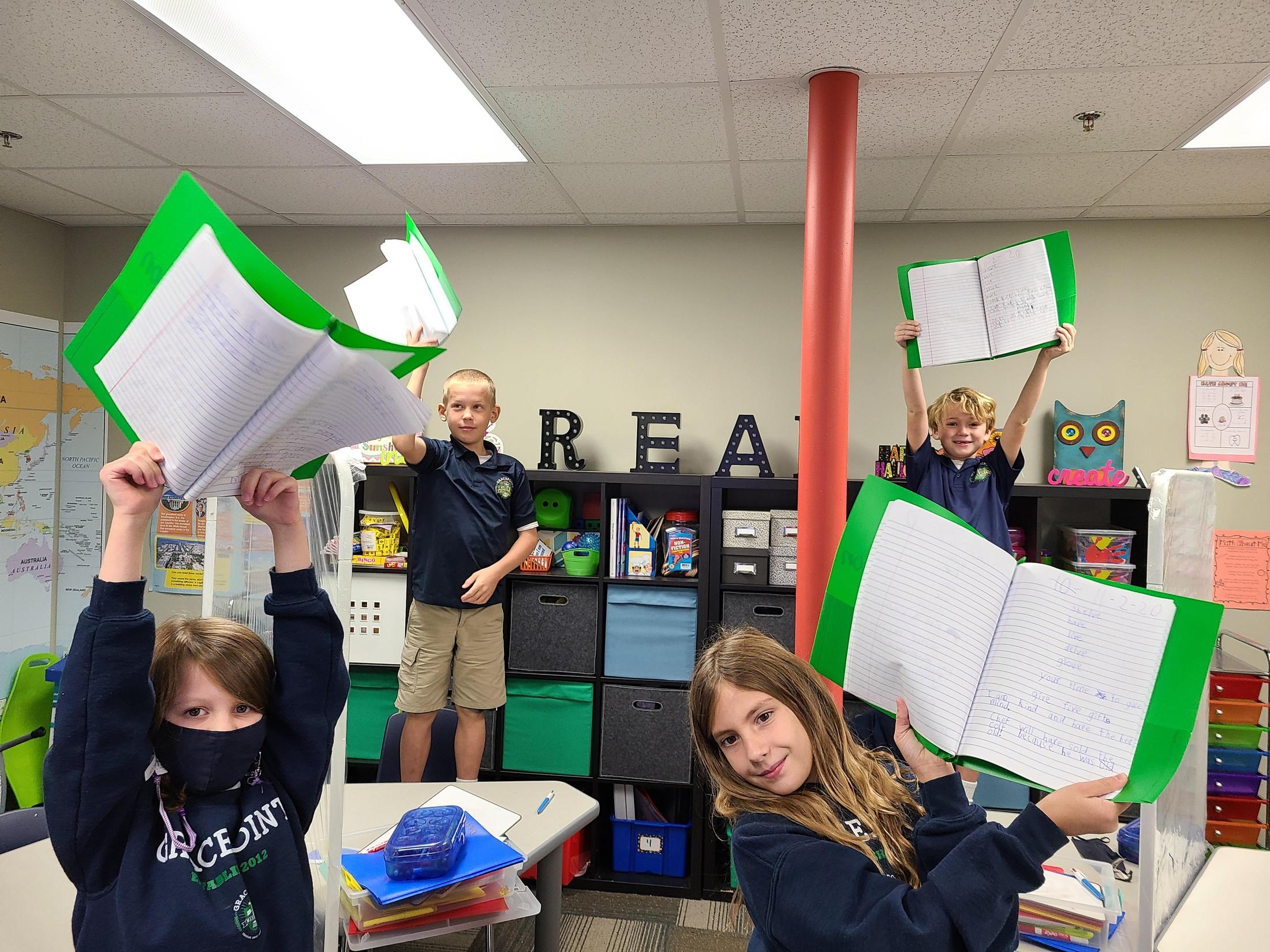
We have finished studying the Wild Old Words and have been learning the Final v Rule.  This rule states that no word in the English Language ends in a v.  
 
The students have been doing great with this new rule.  In the picture, they are excitedly showing off their dictation after a particularly successful session for everyone!
 
I am looking forward to meeting with you next week to discuss your child's progress in class!

In Reading this week, we continued working on Wild Old Words.  We have now added the "old" pattern to our repertoire.  The "old" pattern includes bold, cold, fold, gold, hold, mold, old, scold, sold, and told.     


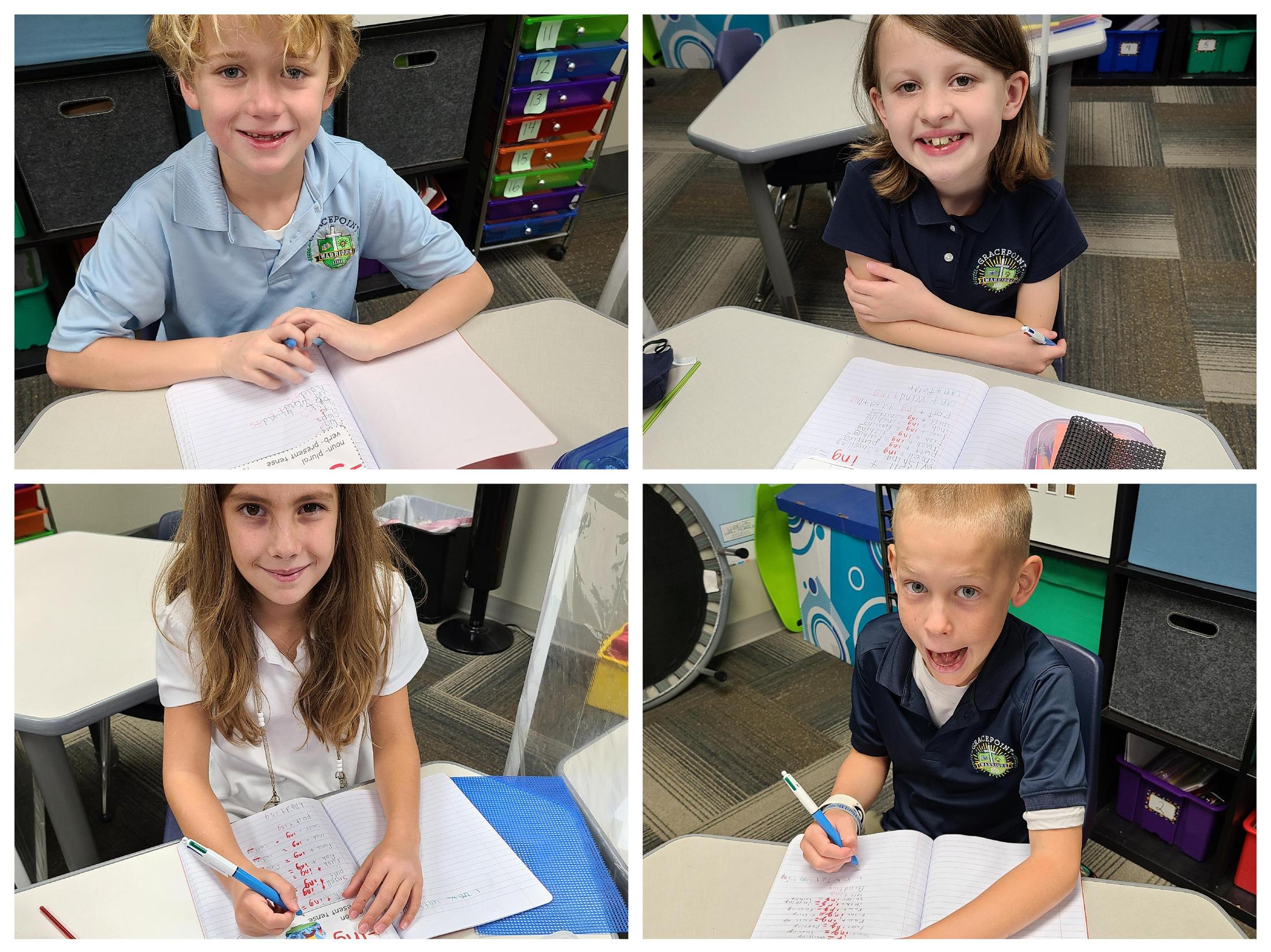
We also added prefixes and/or suffixes to the "old" words.  Examples include oldest, coldness, unfolding, holds, scolded, and bolder.  In the picture collage, the students are working on adding some of these words and the matching word sum to the proper suffix page in their red suffix notebook.    


The suffix notebook is a great resource for the students because it allows for discussion to which words can have a prefix and/or suffix and the words new meaning.  This really helps to develop the student's vocabulary.  The students will add to their notebook throughout their time at GP and it is an excellent tool for them to have in their toolbelt!  


Please read the story, “Old Gold” in the blue folder.  We did a cold reading of it the other day and we will be doing a warm reading at the beginning of next week.  The goal is for the students to increase their speed and accuracy (correct words per minute) through reading and rereading.   


Hope you had a relaxing and fun Fall Break!  Please read to the bottom for a secret!


This week, we continued working with the “ind” pattern of Wild Old Words.  We were able to add the suffixes: –s, -ing, -er, -est, and -ed.  Examples include minds, finding, kinder, kindest, and blinded.  We also added the prefix un- (not) and were able to spell unwinding and unkindest for example.    


In addition, we added the suffix –ness to our suffix notebook.  Suffix –ness means in a state of.  Therefore, freshness means in a state of being fresh, as opposed to staleness, which translates to a state of being stale.     


Please continue to read from the blue folder and practice the red words.  You will want to read the story or sentences for the skill we are working on, as well as rereading from the folder for fluency practice.  It is also a great idea to have your child spell some of the highlighted words from the different skills we have been learning.  Rereading and spelling practice makes such a difference for our students! 

 
As a way of letting me know you have read this post, please write down the secret word: “kindness“ on a post it note or scrap of paper.  When your child brings it to class, they will be able to get into the treasure box!